One thing I often hear from my students is that some of the research we read about risk management is “obvious”–we know climate change is happening, especially. They are surprised we aren’t doing more to address it. But knowing a risk exists and doing something about it are two very different and very large conversations. And they often run up against a big barrier with a very fancy name: intractable multiparty conflict.
Read more: Wicked problems: How we get stuck knowing risks exist but not knowing what to do about them.Intractable multiparty conflict basically gets at the things that make big conflicts difficult to solve: many groups have an interest in the conflict, these groups have very different perspectives, and when they come to the negotiating table, they can’t even find a way to see eye-to-eye on what the conflict is about, let alone what to do about it.
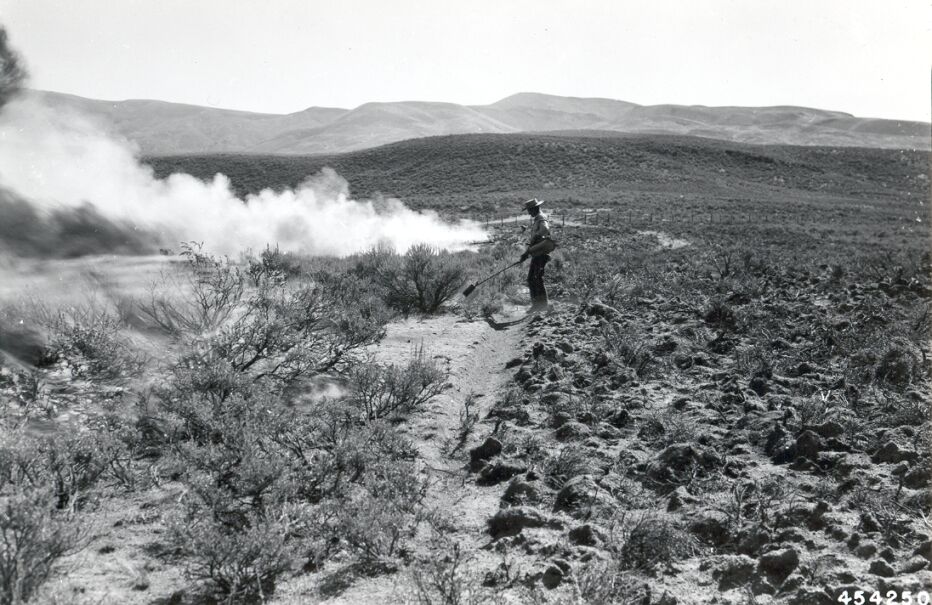
Forest management in the Western US is a classic example. After years of aggressively suppressing fires, the Forest Service has changed policies, acknowledging that fire can be productive to forest health. But, some communities don’t want the Forest Service burning land, which can be ugly to look at at a minimum and can sometimes get out of hand and become a larger fire.
If you’ve ever found yourself in the same meeting about the same problem over and over, you’ve likely been there. If you want a more fun phrase to throw into your meeting you could suggest you’re dealing with a wicked problem (definitely recommend saying this in a Boston accent): a problem that is complex, open-ended, and defies easy solutions.
These problems are often wicked because they’re not really one problem, they’re a system of issues that interact, sometimes in unexpected ways. Examples of problems we’ve named wicked include healthcare reform, climate change, urban planning, and natural resource management.
So, what do we do about these issues? Research has a few suggestions:
–Mediate through dialogue: A more structured and dialogue-based approach to the problem can get the many sides voicing their thoughts but can also move beyond just expressing positions to think about how positions can be reframed as more compatible and how we can meet numerous goals through creative solutions. The money question in mediation is often “why are you asking for what you’re asking for,” which often reveals a deeper need than the surface-level ask.
–Designate a collaboration leader: A loose group of organizations or partners meeting together often flounders but may also be reluctant to designate a leader. A leader organization can help to make the big decisions and answer questions like “what are we doing here?” and “what would success look like?”
–Identify frames: Conflict framing research goes beyond the surface-level of what parties are saying to ask what broader frames each group is using to understand the conflict. To return to the control burn example, the Forest Service sees control burns and land clearing as a safety and forest health issue, and some community members see control burns as damaging their homes, property values, and views of the wilderness. The conflict frames might be ones of “forests as risks” and “forests as homes” or something similar. And it’s hard to convince people that you should be allowed to burn their “homes.”
–Redefine objectives: The idea of solving a wicked problem is often too lofty of a goal but that doesn’t mean you can’t identify some solutions to some of the issues discussed. Creating a course of action is a form of success, even if it doesn’t address every aspect of a complicated situation.
Image from USFS Archives.


Leave a comment